First Summer · the menu
The Sports Menu
Ten ways to spend your intensity. For each one: what the rush is, what it costs to start, the first step, the people you'll meet and the honest risk.
Prices are rough Australian figures to help you plan, and they change. Every one of these has a cheap way in. Start there.
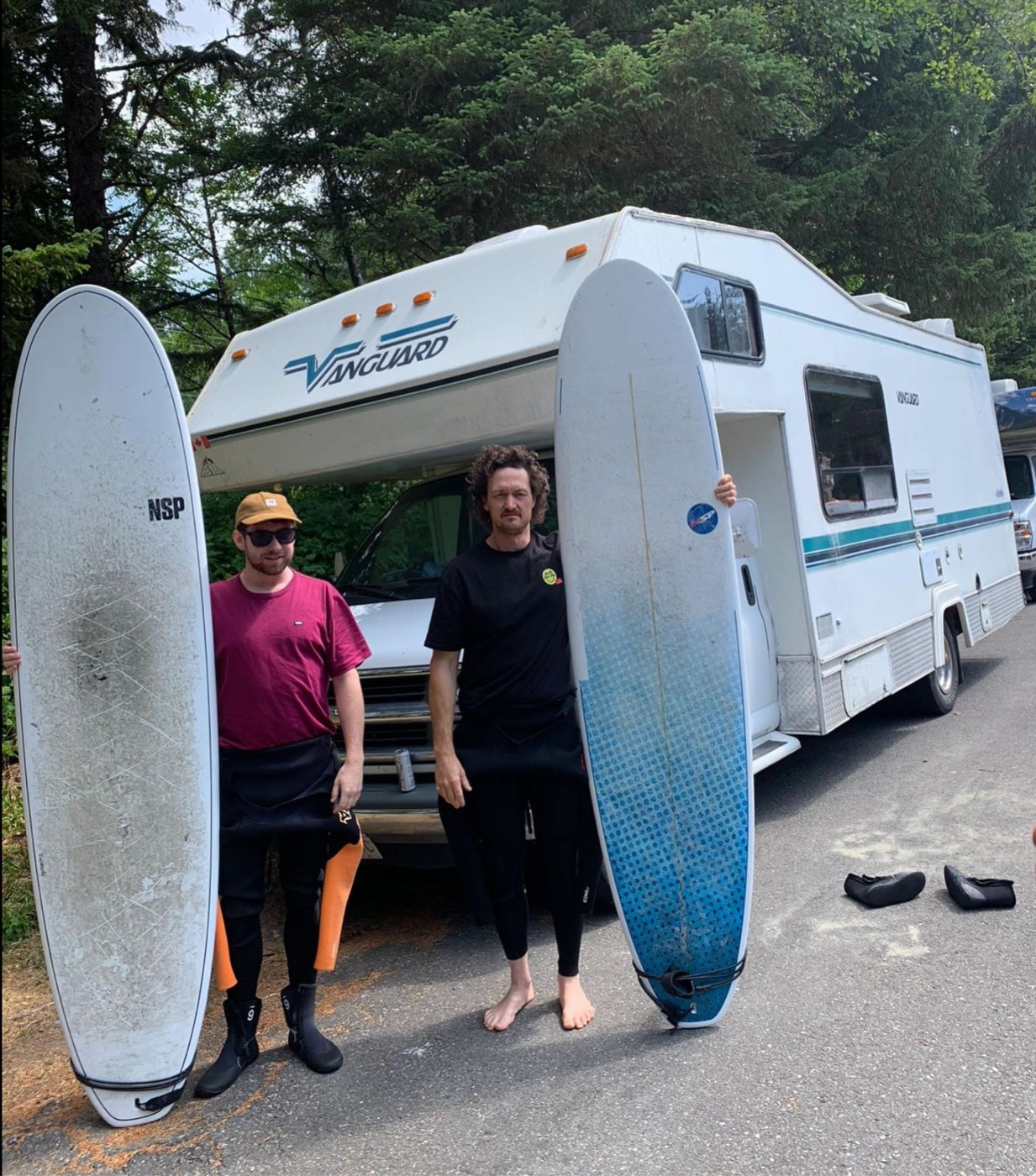
Surfing
The rush: speed you didn't make yourself, and the best kind of tired.
To start: a group lesson with board and wetsuit is roughly $60 to $90. After that a second-hand soft board is $100 to $250, and the ocean is free.
First step: book a learn-to-surf lesson at a patrolled beach.
The people: the dawn crew at your local break, and boardriders clubs.
Be honest about: rips and other people's boards. Learn where to paddle out before you learn to stand up.
Surf lifesaving
The rush: board and ski racing, inflatable rescue boats, and actually pulling someone out.
To start: a club membership is one of the cheapest in sport, and the training is included.
First step: ask your nearest club when the next Bronze Medallion squad starts. You need to be 15 and able to swim 400 metres in nine minutes.
The people: a patrol team that becomes family, across every age.
Be honest about: some clubs have a bar. Join for the patrol and the training, and pick your crew accordingly.
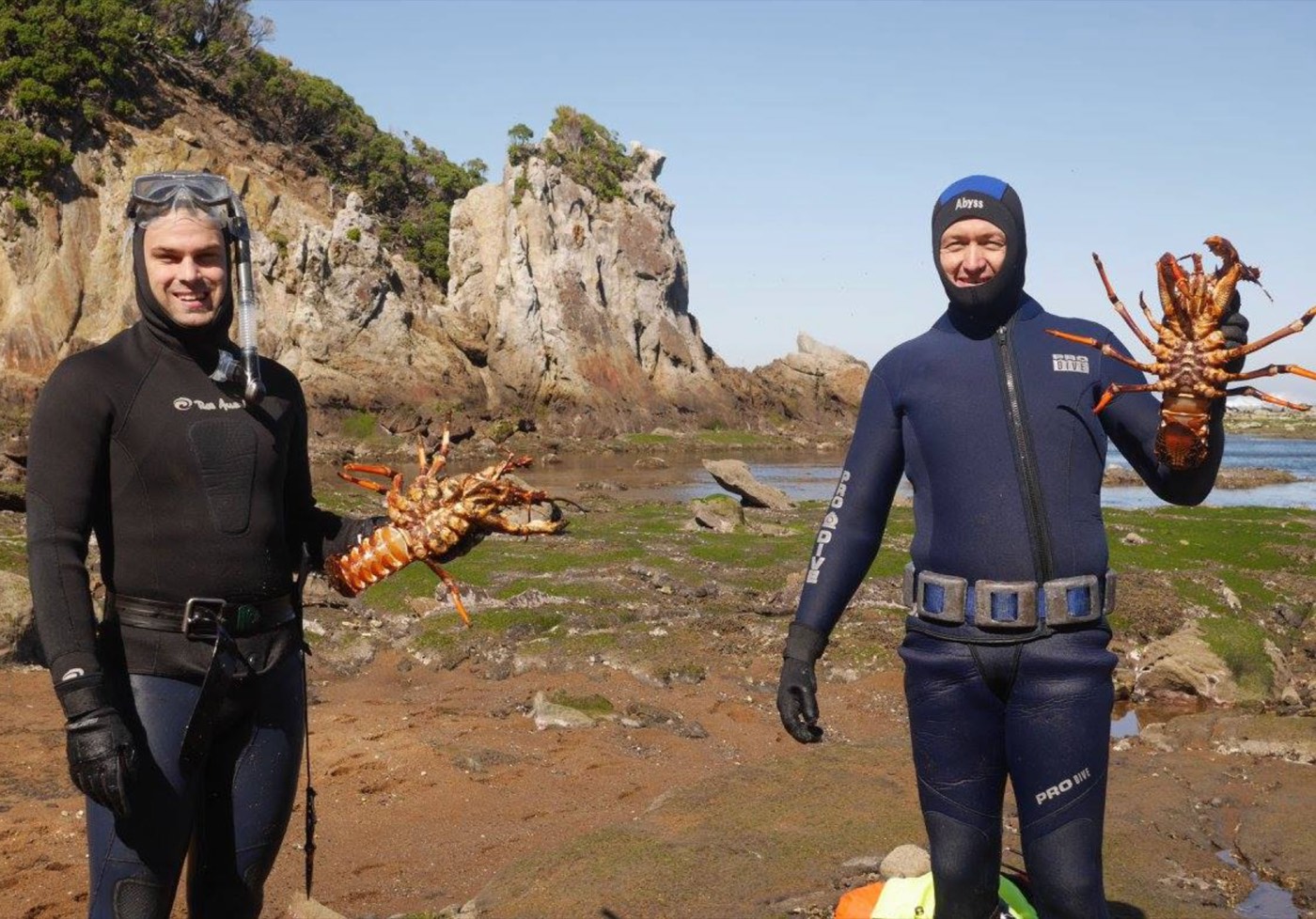
Freediving and spearfishing
The rush: the opposite of adrenaline. Total calm on one breath, in another world.
To start: mask, snorkel and fins for about $100 to $150. A two-day beginner freediving course runs to a few hundred dollars and is worth every cent.
First step: do the course. It teaches the safety that keeps you alive.
The people: dive clubs and your buddy, who you'll trust with your life.
Be honest about: blackout. It kills experienced divers. Never dive alone. One up, one down, every time.
Climbing and bouldering
The rush: fear you can practise on, a metre at a time.
To start: a day pass and shoe hire at a bouldering gym is roughly $25 to $35. No rope, no partner, no experience needed.
First step: walk into a bouldering gym and ask for the induction.
The people: possibly the friendliest crowd in sport. Strangers will coach you through the problem you're stuck on.
Be honest about: ankles and fingers. Learn to fall properly and build up slowly. Outdoors, go with someone qualified.
Mountain biking
The rush: speed through trees, with no room in your head for anything else.
To start: the bike is the cost. Hire one at a trail park for a day, roughly $60 to $120, before you think about buying.
First step: a skills clinic at your nearest trail park. Braking and body position first.
The people: local MTB clubs, group rides and trail-building days.
Be honest about: collarbones. Helmet always, ride within what you can see, and get good before you get fast.
Skateboarding
The rush: landing the thing you've failed two hundred times.
To start: a decent complete board from a skate shop is about $120 to $180. Parks are free.
First step: go to the park early in the morning, when it's quiet, and learn to push and stop.
The people: the park regulars. Turn up at the same time each week and you're one of them.
Be honest about: wrists and concrete. Wear the helmet. Nobody good laughs at pads.
Combat sports
The rush: someone is trying to beat you, and for five minutes nothing else exists.
To start: most gyms offer a free trial class. After that, roughly $30 to $50 a week. PCYCs are cheaper.
First step: a beginners' class in Brazilian jiu-jitsu, boxing or Muay Thai. Tell the coach it's your first.
The people: you can't train with someone and stay strangers. Discipline lands faster on the mat than in any classroom.
Be honest about: your head. Jiu-jitsu has no strikes. In striking sports, a good gym keeps beginners out of hard sparring. If it doesn't, find another gym.
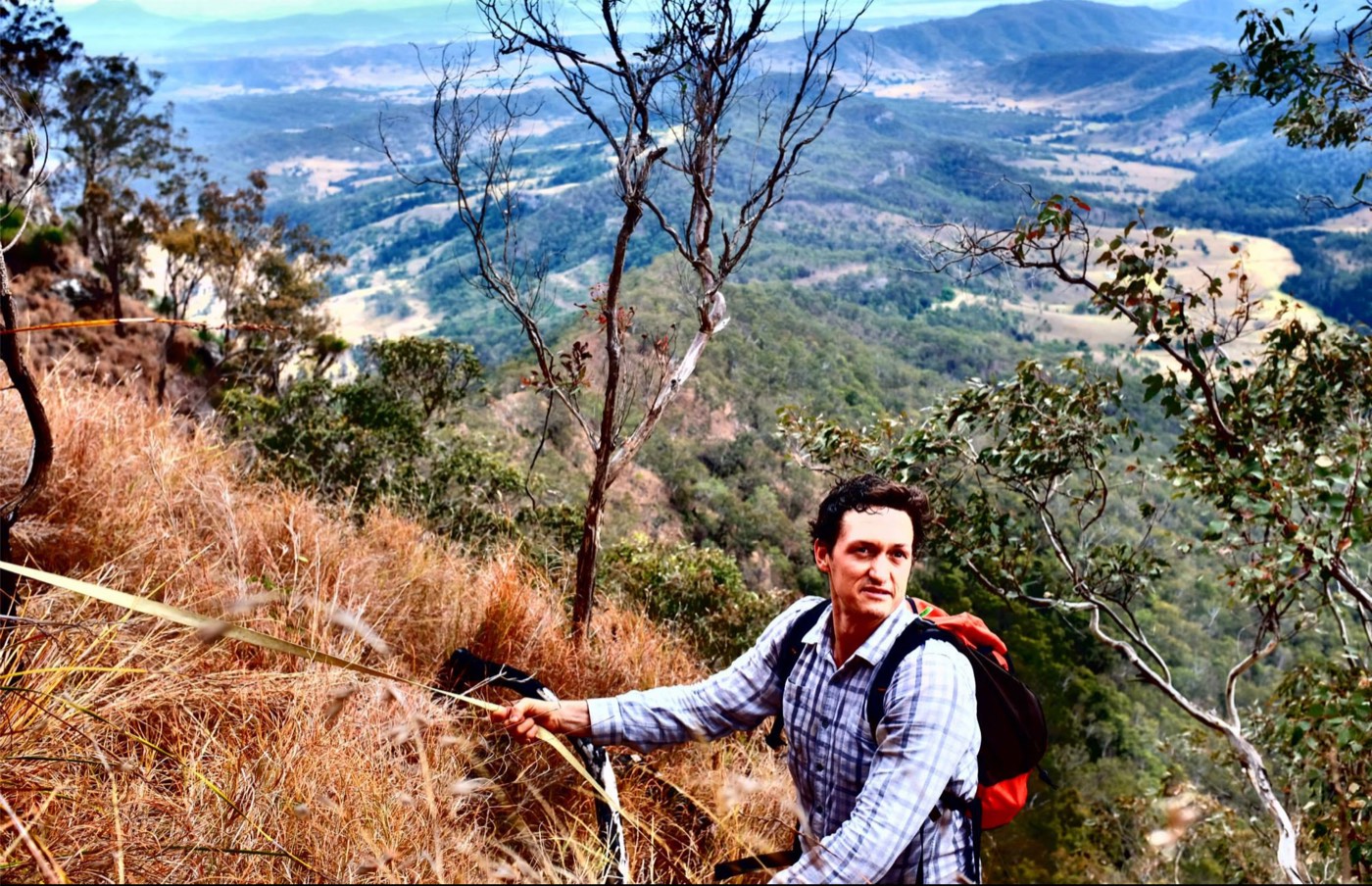
Trail running
The rush: emptying the tank somewhere beautiful.
To start: the shoes you already own. parkrun is a free timed 5 km every Saturday morning, all over the country.
First step: register for parkrun and walk-jog your first one this Saturday.
The people: parkrun regulars and trail running groups. Everyone remembers their first and nobody cares about your time.
Be honest about: doing too much too soon. Build slowly, carry water, tell someone your route.
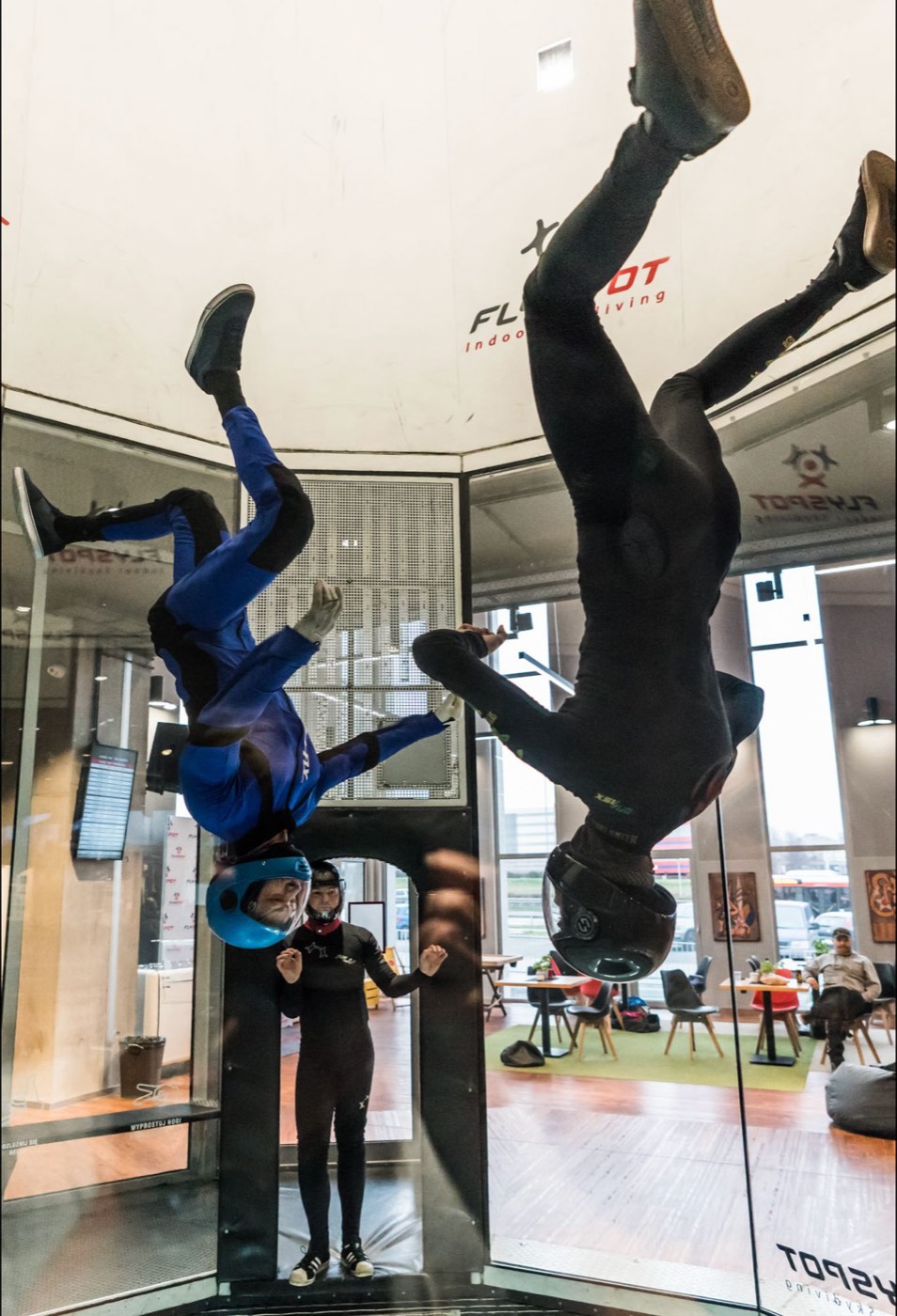
Skydiving
The rush: the biggest there is. No chemical comes close to actually leaving the plane.
To start: a first flight in an indoor wind tunnel costs around a hundred dollars and teaches real skills. A tandem jump is a few hundred. Learning to jump solo is several thousand, so it's one to save for.
First step: a tunnel session, or a tandem at a dropzone that belongs to the Australian Parachute Federation.
The people: dropzone communities are tight, generous and serious about safety.
Be honest about: cost, and age. Under-18s need a parent's consent and limits vary by dropzone. Nobody jumps affected, ever.
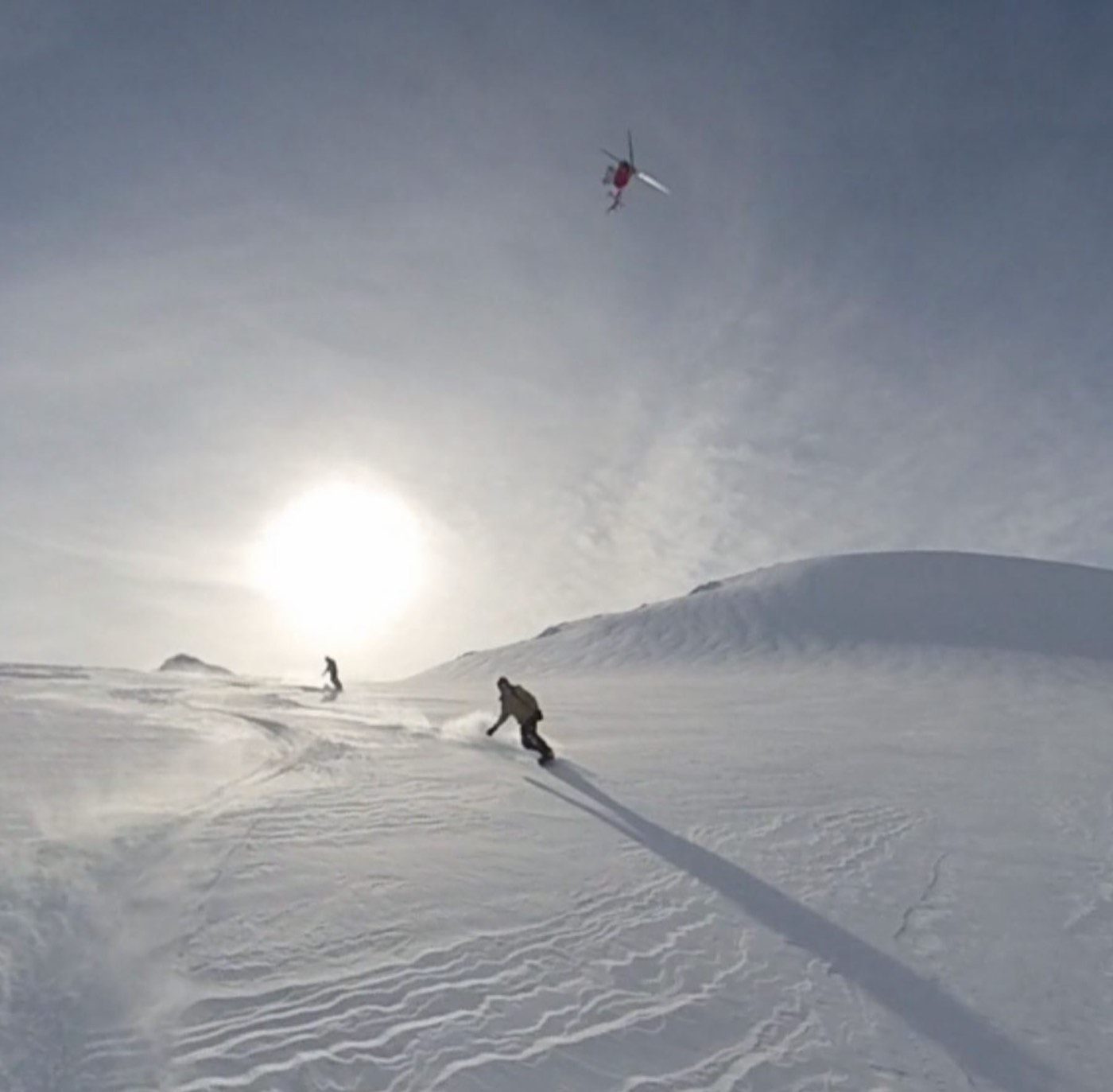
A snow season
The rush: riding every day until it's the most natural thing your body does.
To start: get a job. Resorts hire lift, rental and hospitality staff months ahead, and a staff pass makes the riding close to free.
First step: apply to Australian or New Zealand resorts in autumn. A northern winter needs a working holiday visa and you must be 18.
The people: the first-chair crew, who are in bed by ten because the snow is best at eight.
Be honest about: resort towns drink hard. Go with a plan, find the people who are there to ride, and the mountain will do the rest.
How to pick a good provider
- Instructors are qualified with the sport's national body and can tell you which one
- Beginners get their own session and aren't thrown in with the experienced group
- Safety gear is provided and nobody is embarrassed to wear it
- They ask about your experience and your health before you start
- Under-18s are asked for a parent's consent
Every sport on this page carries real risk. That's part of why they work. Good coaching is what turns risk you can't see into risk you can manage.